Marcus Reid
  • Home
  • Patagonia 2019
  • Kyrgyzstan 2018
  • The Team
  • Deeper
  • Blog
  • Partners
  • Contact
  • Home
  • Patagonia 2019
  • Kyrgyzstan 2018
  • The Team
  • Deeper
  • Blog
  • Partners
  • Contact
Picture

SEEKING BALANCE, FINDING ADVENTURE.
A group of women passionate about human powered e
xploration (particularly on skis) and the urgent need to take climate action. We seek to understand  how climate change is impacting beautiful landscapes and communities around the world as we travel to remote regions by ski, kayak, bike and foot. 
Climate Change and it's impacts on the glaciars and the communities of Patagonia

12/23/2019

0 Comments

 
Picture
Picture
Background to Chile, the southern Patagonian ice field and Climate Change 
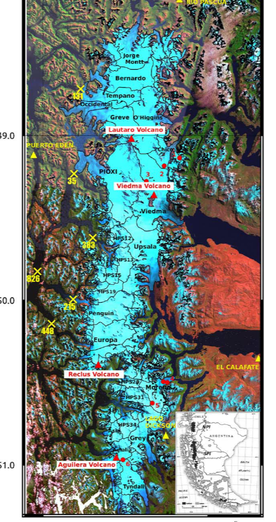
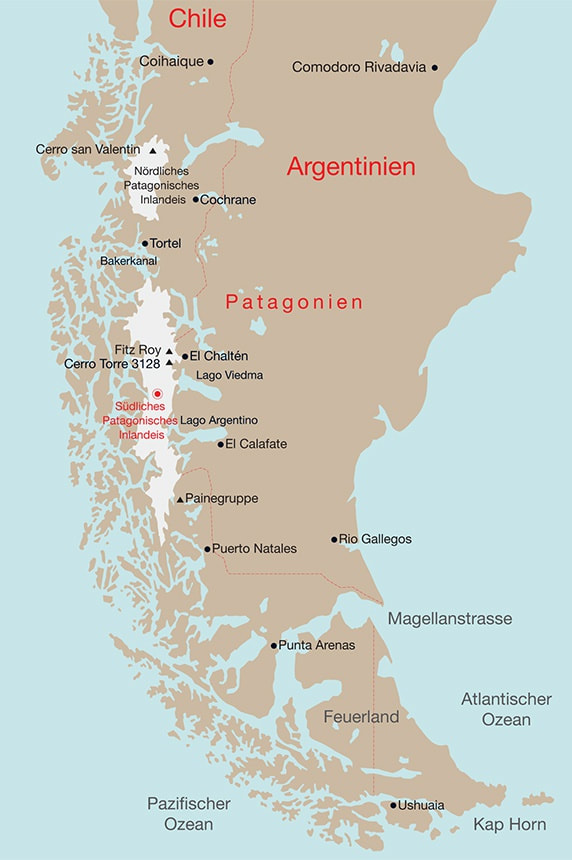
The Southern Patagonian Ice Field, is located at the Southern Patagonian Andes between Chile and Argentina, is the world's second largest contiguous ice field outside of the polar regions (the largest is in Greenland). The icefield has a total of 49 glaciers and covers about 12,000 square kilometres. About 85 percent of the southern icefield lies within the Chilean border. Chile, a long country many different environments is being impacted significantly by climate change. Everyday farmers, fisherman, business owners, young people and old people are experiencing the impacts of a warming climate and extreme weather. In the past 10 years Chileans have experienced drought, wildfires, glacial retreat and weather patterns that are becoming more and more difficult to predict. By 2040 Chile is predicted to be the most water-stressed country in the western hemisphere. 
Climate change, especially the rapid glacial retreat and changing access to the southern icefield affected us personally with our expedition but is also affecting the everyday lives of the Chilean’s we meet during our time in Patagonia. We interviewed many of those we met as we traveled before and after our expedition and would like to share some of their stories. Research shows that when climate change is clearly impacting individual people, and their personal stories and emotions are told, that the link between climate change and daily lives becomes more powerful. Other people are more likely to react and respond rather than viewing climate change as an intangible distant problem. ​​
Picture
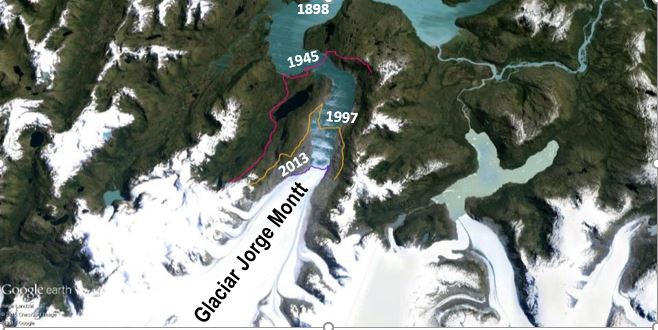
Satelite image of Glaciar Jorge Montt. We knew that the glacier would no longer be terminating in the same location but we did not expect it to have retreated as much as it had. We guess it is another 10km further back than the 2013 line. This contributed to a difficult approach.
How is change impacting the southern icefield?
  • All glaciers except one are retreating. Pio XI is advancing but this is because of the plates underneath Volcan Lautauro moving rather than more ice forming.
  • The glaciers coming off the icefield are becoming increasingly steep.
  • The southern icefield in the summer has an increasing number of glacial lakes forming on top of the icefield. These are kilometres wide in places.
  • The icefield is sinking in places, creating cracks and indents. It is no longer flat, especially on the western side
  • Earlier this year, the icefield officially split into two with the southernmost 208 sq km now separated by a 100m band of rock. Further fractures are likely to continue according to climate scientists. 
Picture
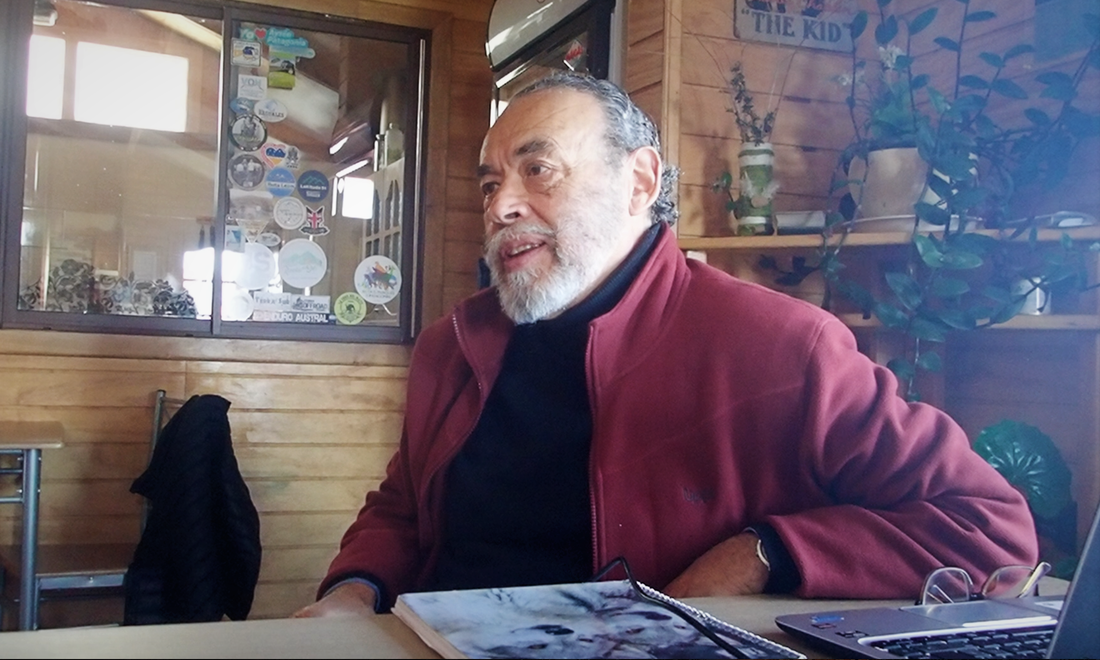
Enrique Zamora - President of the Insituto de Campos de Hielo.
Enrique Zamora, of the Insituto de Campos de Hielo, talked to us about the research they are helping to facilitate on the southern ice field. One of the reasons that relatively little is known about the southern Patagonian Icefield is that it remains so inaccessible. The institute helps facilitate logistics for scientific research on the icefields and to share this research. The glaciars here are especially important as they enter the sea or lakes they are melting and shrinking at much faster rates than elsewhere in the world. They also are contributing significantly to sea level rise.  When we asked Enrique what his main concern was for the future he said; "Sea level rise. These glaciars are melting so quickly into the sea and not enough people realise how rapidly this is happening. That is my biggest concern and it affects us all". 
Picture
​How is climate change impacting weather patterns around the southern ice field?
Like everywhere in the world, the weather is becoming increasingly unstable. Winter isn’t winter anymore and summer isn’t summer anymore. Wind events that used to be relatively predictable now appear out of nowhere. Rains are becoming more sporadic; in summer it almost never rains any more. In winter it almost never snows any more to lake/ocean levels
Picture
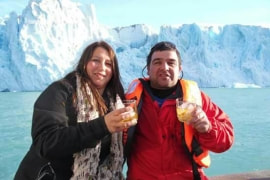
Captain Marcus and Angelica. Running a boat business that takes tourists to see the glaciers. Marcus has been running boat tours for many years and it's becoming a struggle. The weather and storms are more and more difficult to predict and they are having to cancel more and more trips because of increasing winds.
How are these changes impacting local communities nearby?
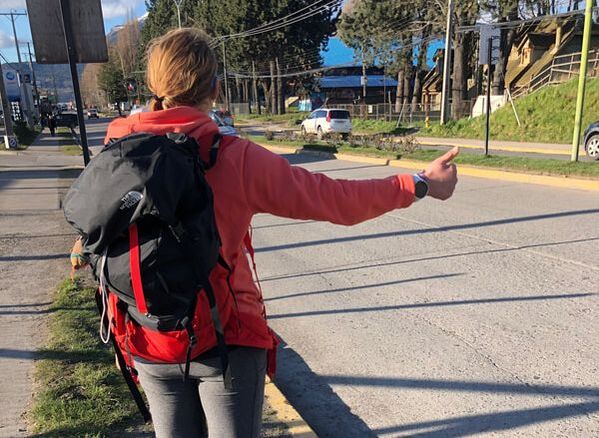
​When based at NOLS in Coyhaique we hitched every day into town. Getting a ride never took more than a few minutes and also gave us a chance to meet some of the locals. Many of those we hitched with were farmers. Without even asking they often brought up the weather and told us how farmers are suffering from a lack of rain in the summer. Some are trying to save rain from the winter, some are buying water in the summer to try to help their small crops. Some farmers have given up and sold their farms for almost nothing and tried to move further south where weather seems more favourable. But farmers further south are doing the same, there is a continual migration south. 
Picture
Hitch Hiking in Coyhaique
When it does rain it rains suddenly and heavily, meaning all the top oil is washed off, the soil quality decreases and there is surface flooding. The town of Villa O'Higgins despite being in a drought situation, is flooding more frequently.
Picture
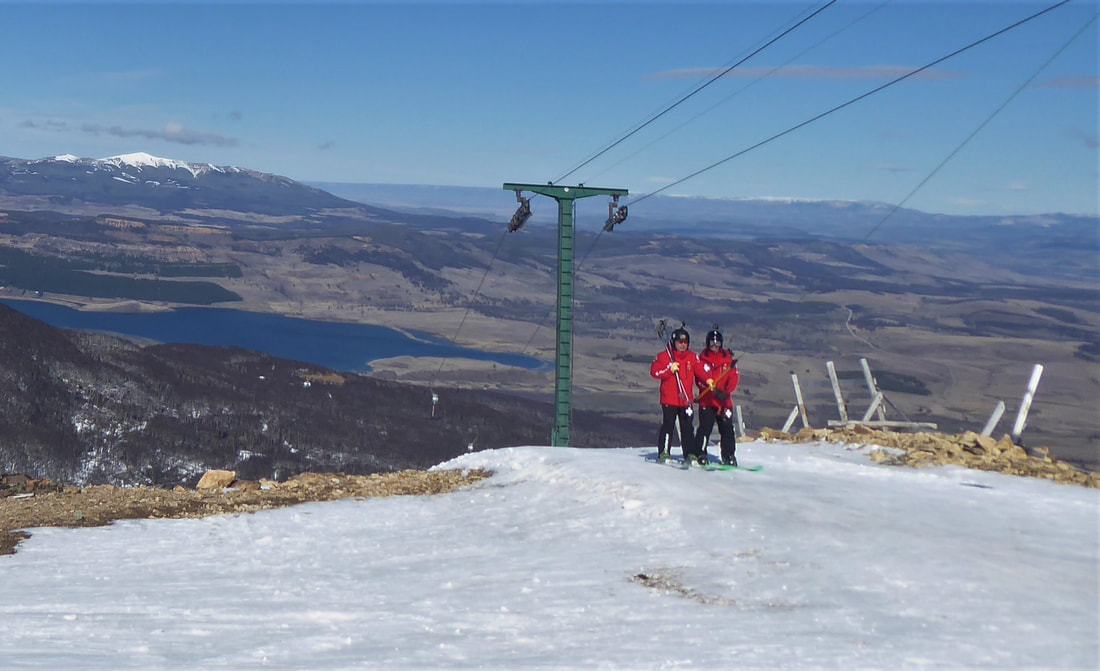
Two patrollers we chatted and skied with at El Fraile ski area south of Coyhaique.
Ski areas are struggling to create opening and closing times. They can’t post an opening date because they just don’t know when they will be able to open. El Fraile, a small ski area near Coyhaique opened and closed twice this year. A Ski patroller there who had worked there for 25 years said that this winter was a good winter, relative to the past few seasons. But actually 15 years ago you would have said that this winter was a bad winter for skiing. 
Picture
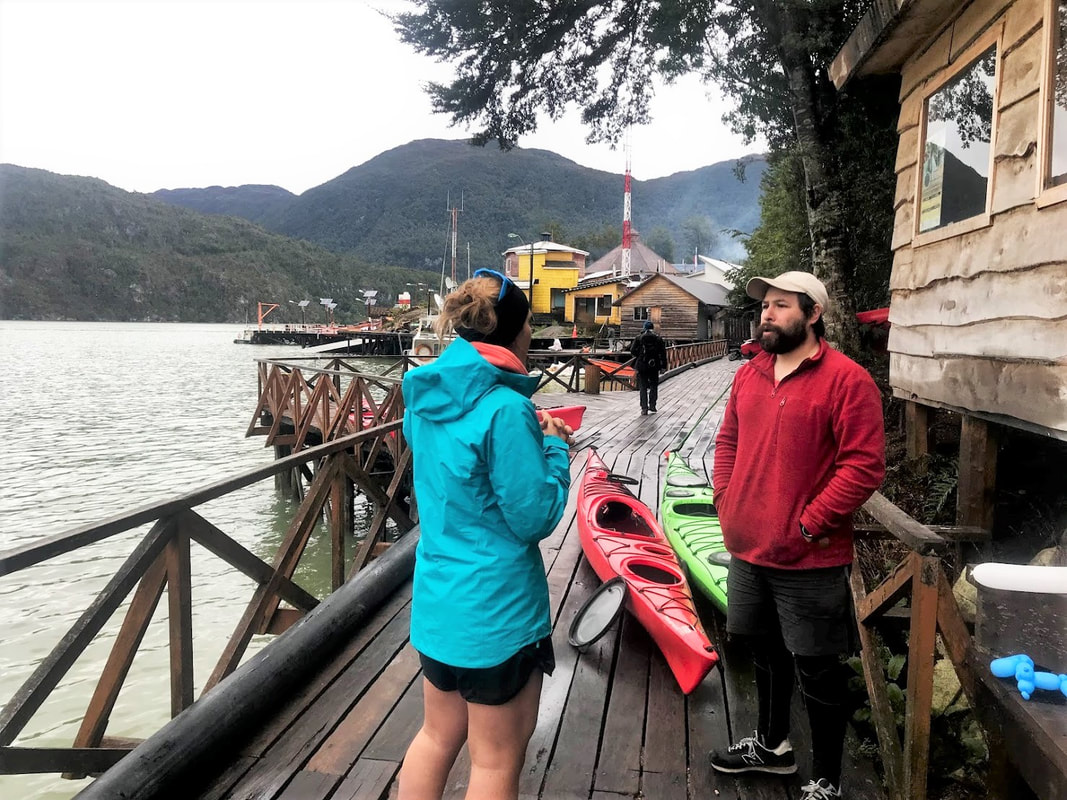
Maz chatting to Andy, one of our favourite Patagonians. Andy's Daughter doesn't get to play outside in the snow like he did when he was young.
​People in Patagonia are proud of, and feel lucky that their children are able to play outside in the snow in the winter. This is something that people in Santiago and other more northern areas aren’t able to do. It makes them feel special and proud to be Patagonian. Now it doesn’t snow in town in the wintertime anymore. In Coyhaique it hasn’t snowed in town for about 8 years. In Tortel and Villa O'Higgins it snowed only once in town this winter and it melted the same day. When we asked our friend Andy about his concerns for his family, he said feels sorry for his four-year-old daughter because she doesn’t get to play outside in the snow like he used to.  This part of their cultural identity is disappearing with warmer, drier winters.
Picture
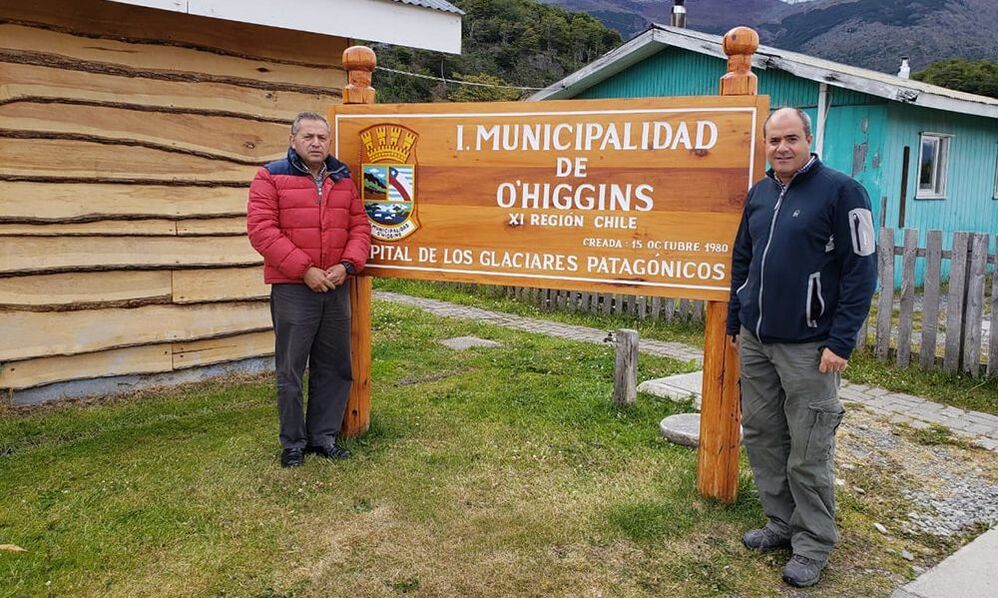
The Mayor of Villa O'Higgens. Their town slogan is "Capital of the glaciars" and their local economy is very dependent on glaciar tourism.
Being surrounded by glaciars is also an important part of the local people’s identity. They feel it is special to live near these glaciers. Villa O’Higgins' slogan for their town is “Capital of the Glaciers.” If people can’t see the glaciers any more their identity and pride in the area decrease, as does their obligation to protect it. Often we heard from people “If we can’t see the glaciers how are we supposed to look after them.” Maria, the owner of the guesthouse we stayed at in Tortel has lived in the area for more than 50 years. When she was young she used to see icebergs floating frequently past her house. Now, she says the last iceberg seen in Tortel was eight years ago. 
Picture
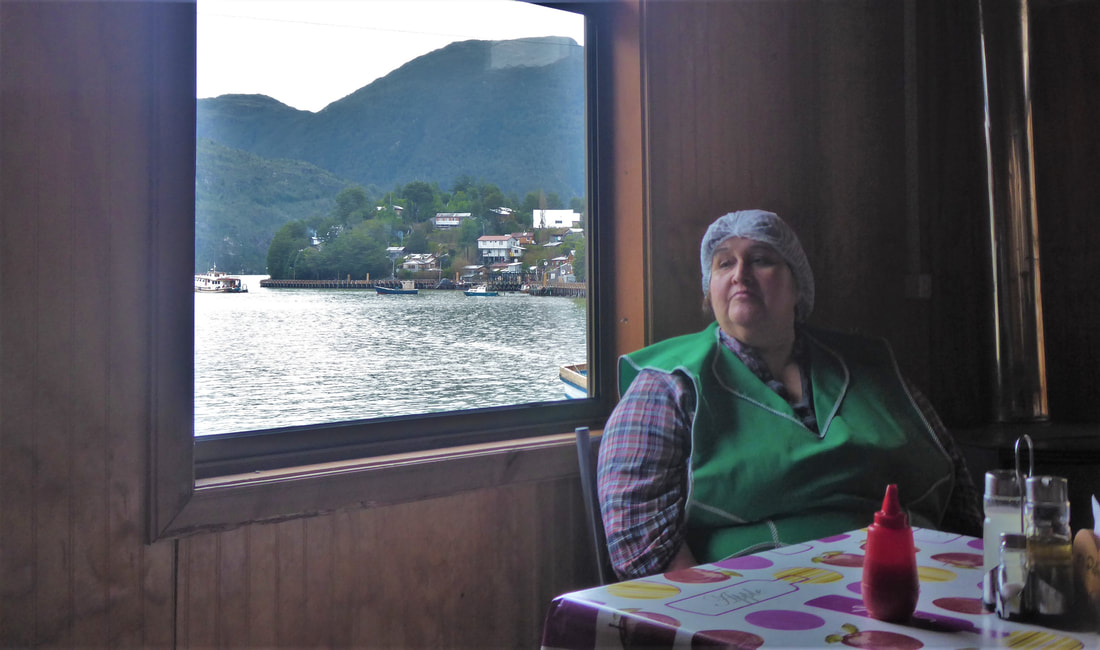
The best Emanadas in town! Isabella runs a local restaurant in Tortel. Business in the summer is becoming increasingly difficult as they are dependent on a small lagoon to provide hydro power. The past few years, with a lack of rain the lagoon has dried up and they often have electricity rations for only a few hours a day.
Those working in the tourist industry are more frequently having to cancel trips to visit the glaciers because of sporadic weather conditions and increasing days with high winds. These towns have little more than tourists who come to see the glaciers, if they stop coming the people there worry they will have nothing else. The tourist season is becoming more unreliable. It used to be good weather for tourists in November but now November seems to have bad weather but September has good weather. The tourists still are only coming in November and not in September. When we asked the people we interviewed about how they could solve the climate crisis the answer was frequently something like "We can't, we don't have the knowledge", "We need help from the government and the government won't help us",  "It's too big a problem for small people like us to solve". Apathy and a feeling of not having the education and the tools was common. 
Picture
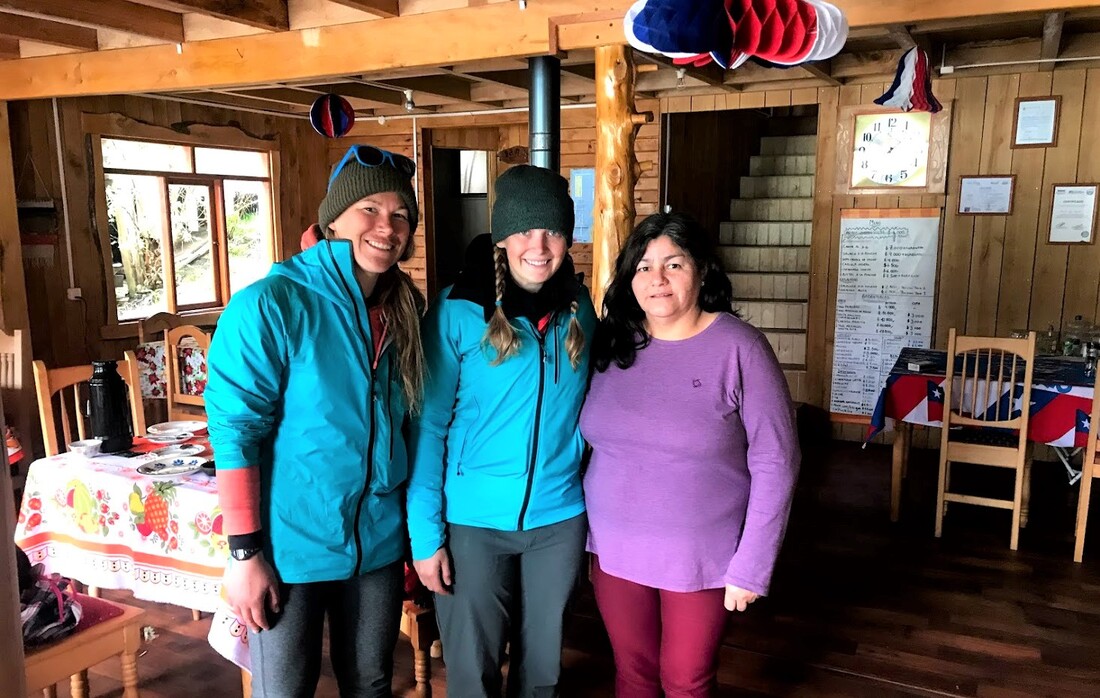
Maria, owner of the hospedaje we stayed at in Tortel. Tourism is all they have right now to keep their town going. Variable weather and summers without rain are making it hard to have any consistency with business.
​How are these changes impacting mountaineers and other visitors to the area?
  • Glaciers are retreating and climbers and skiers now have to walk further on land/through the bush before they are able to access the neve. The lakes forming in the summer limit the area where mountaineers can travel and create risk for GLOF events. 
  • Approaches are becoming steeper and more technical, limiting those who are able to access the glaciers to those who are more skilled.
  • Access to areas on the western side of the Southern Icefield are now considered impossible, the icefield is sinking, creating more vertically orientated tongues
Picture
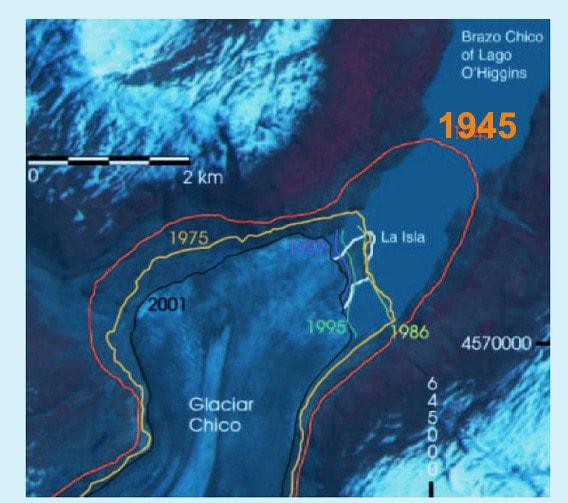
Charlie, the CONAF ranger in Villa Ohiggens showing us changes to the Chico glaciar and to their seasonal operations with hikers and mountaineers.
  • Many visitors come to the area to simply hike around the “Periglaciar” areas. These too are becoming more challenging to access.. What once was a 7km trail to hike to see a glacier is now a 13km trail. 
  • The “season” for climbing is traditionally Nov 1st - April 1st. The CONAF team head into prepare and open refugios and assess conditions late October. November 1st is now becoming too late and if you are to access any of the upper refugios by ski you need to be going earlier, otherwise it will be mostly walking on ice. November used to be a great month for skiing but now any ski expeditions need to be earlier. 
Picture
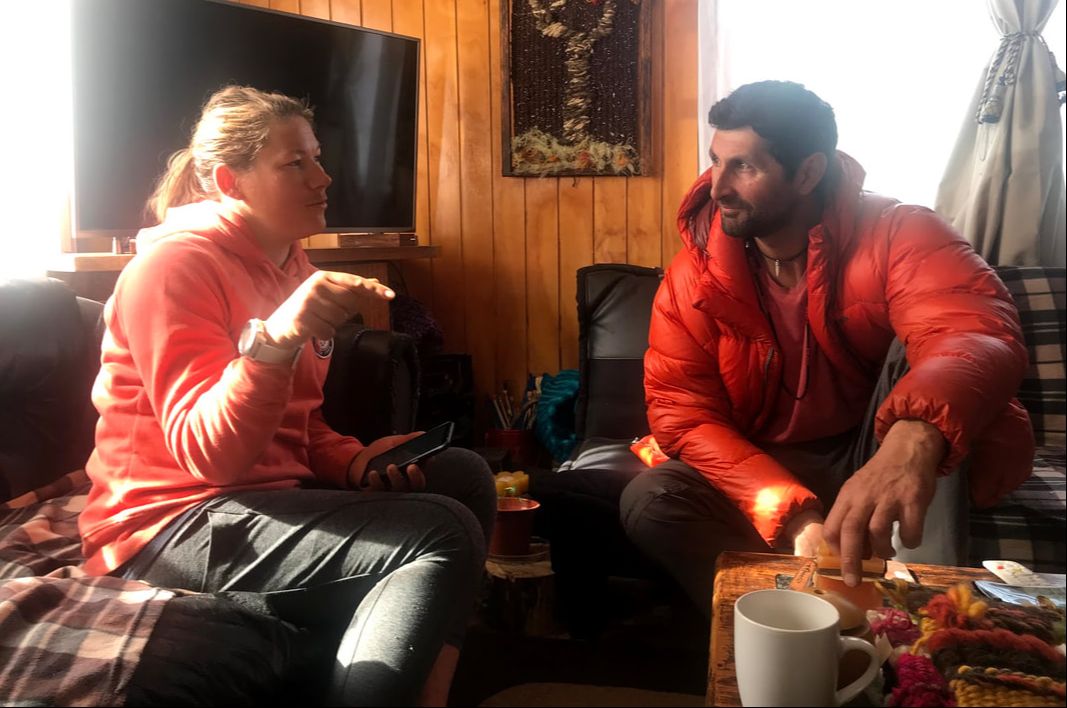
Chatting with Pascual Diaz, one of Patagonia's top mountaineers about the future of expeditions on the southern icefield
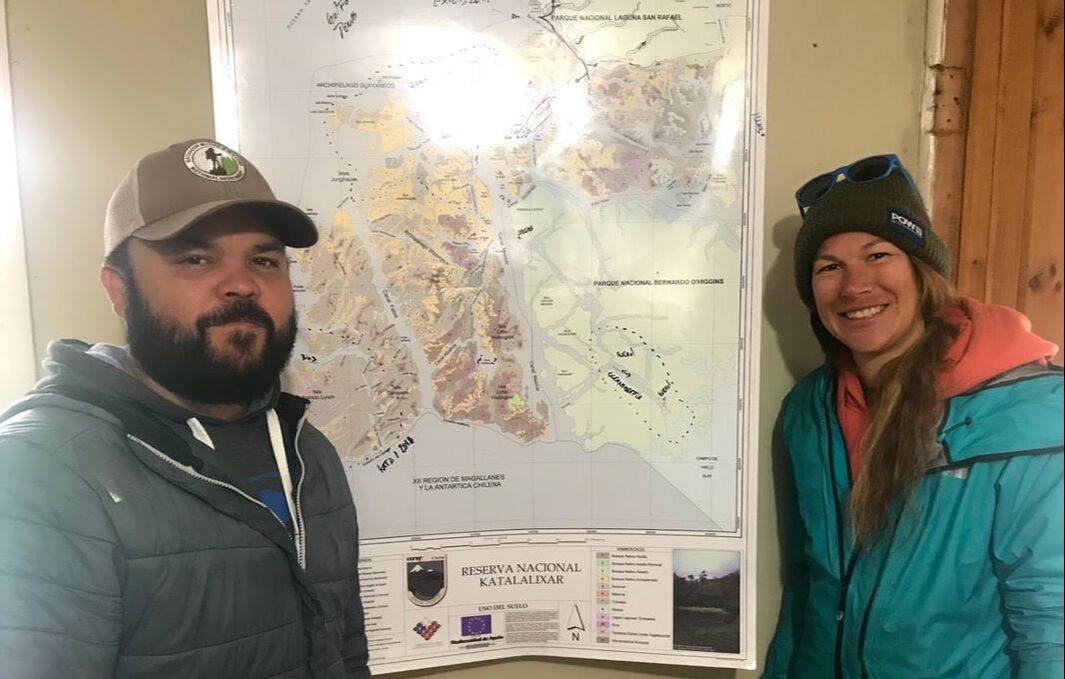
The rapidly receding glaciers and changing weather patterns aren't only affecting the land and the people living on the land. We met and spoke with Raul Pereda, the CONAF ranger for the ocean portion of Bernardo O'Higgens National Park. From his perspective as a marine biologist there are critical changes happening to the ocean surrounding the Southern Icefield which are not being talked about enough. As the glaciers melt into the ocean, the salinity and mineral content of the water is rapidly changing. So much so that plankton and other small organisms are no longer living there. This will soon have a knock on effect for marine life such as fish and whales that feed on plankton.  Raul says that "many people around the world only hear about climate change but here we are seeing it". 
Picture
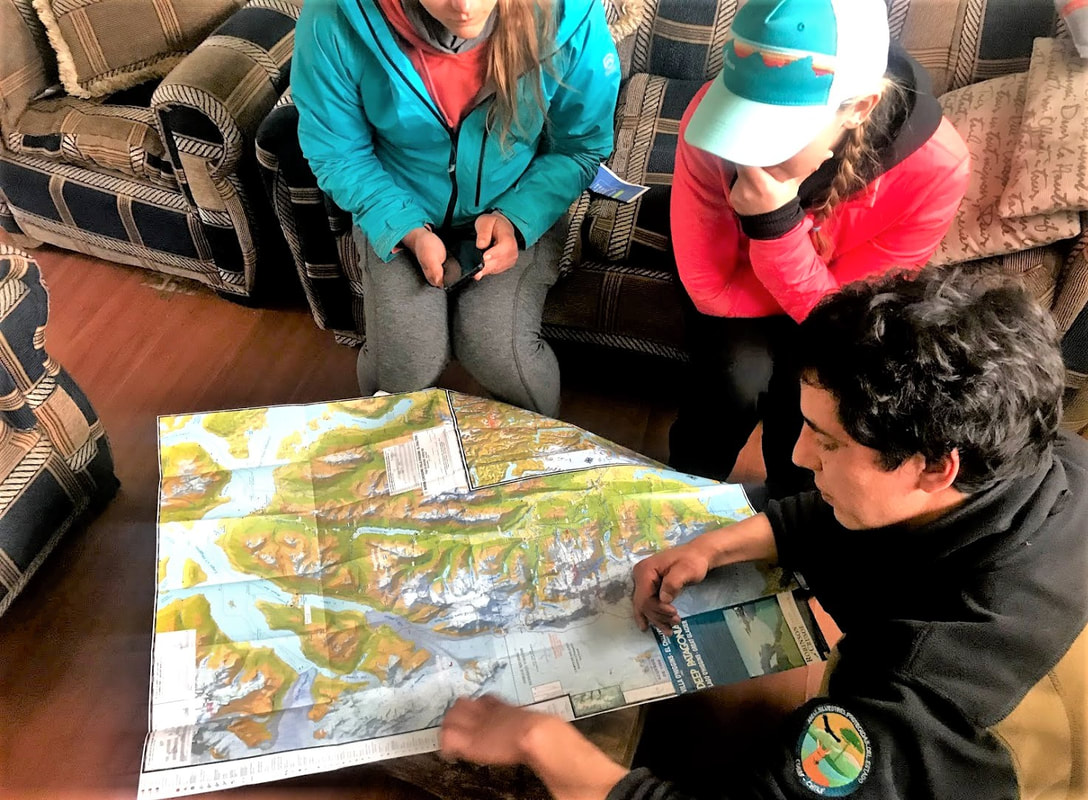
Raul, Marine Biologist and CONAF ranger with a map of the National Park
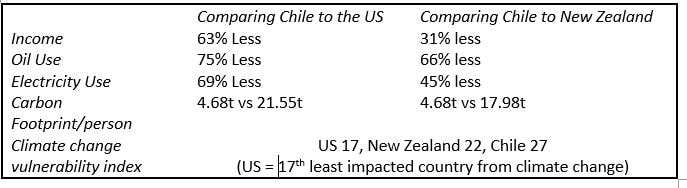
Again, the unfairness of climate change is extremely apparent in Patagonia. The average person in Chile contribute so little to climate change overall but yet is much more impacted by the effects of climate change than the average US or New Zealand citizen. We hope that by sharing some of these stories we can inspire some change in our own mountain communities at home.  Stay tuned for more info about how we are taking action and our carbon offsetting. 
Picture
Comparisons between NZ, the US and Chile.
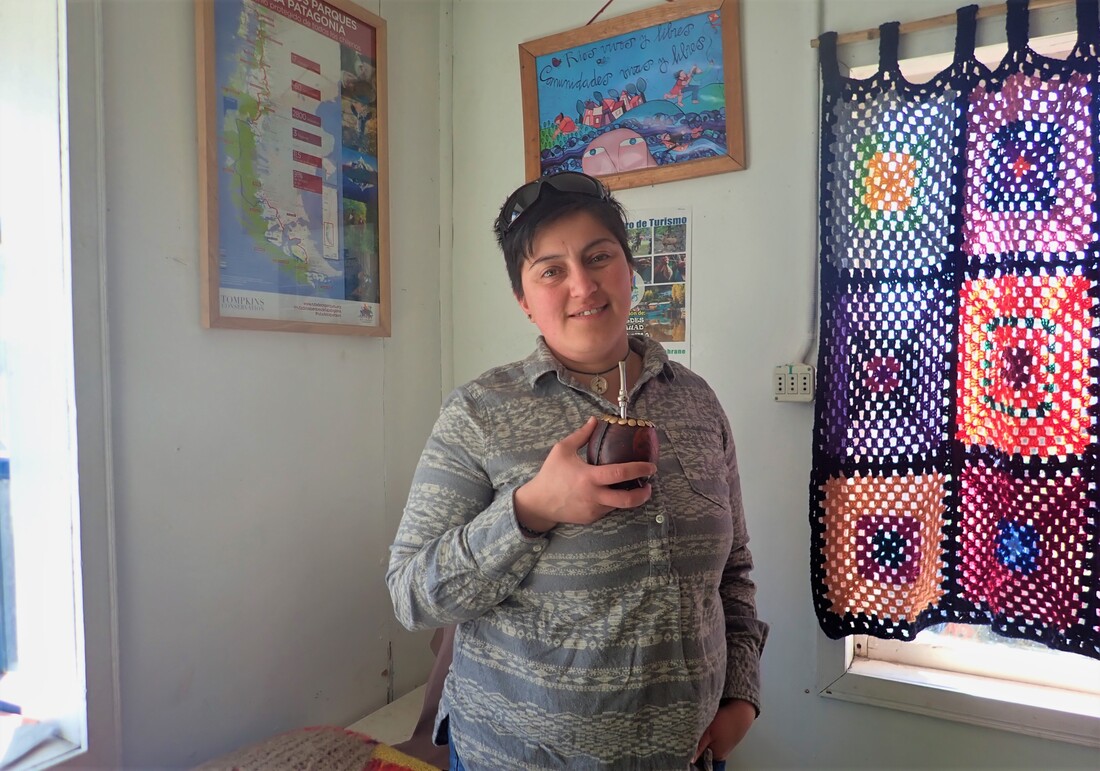
Andrea, who works for the tourism and commercial association of Villa O'Higgen's spoke to this. "Many tourists who come here see the impacts of climate change but don't make the connection that their actions at home impact us here in Patagonia". "Sustainable tourism is much more than not using plastic bags or conserving water. It's about creating a new lifestyle and awareness upon returning home". We were so impressed by Andrea's passion for creating a sustainable tourism culture in Villa O'Higgen's and we're excited to see the knowledge she shares and the impact she creates over the next few years. 
Picture
Andrea in her small office, sharing some matte.
0 Comments


Leave a Reply.

    RSS Feed

Powered by Create your own unique website with customizable templates.